When dawn breaks, the Nile shimmers like a golden ribbon threading through desert sands and the echoes of ages past. Life flourishes along its shores—temples reaching skyward, dynasties rising and falling, harvests arriving with the river’s dependable floods. It’s no surprise that Herodotus called Egypt the “gift of the Nile.” Journeying from Aswan to Luxor, you trace the river’s winding tale: ancient columns standing in silence, green fields stretching toward the Delta. Here is your guide to the Nile’s history, its deities, its shifting seasons, and the enchantment that continues to draw people near. And with Luxreisen, you don’t just learn about it—you step into its very heart.
How the Nile Shaped a Civilization: Farming, Travel, and State Power
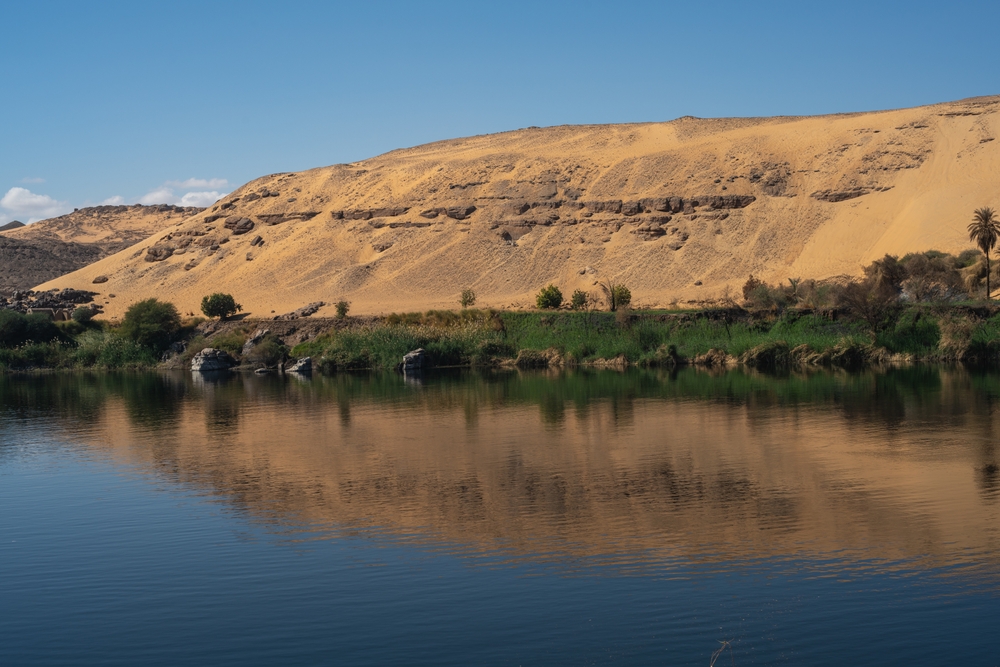
The Nile made Egypt possible. Every year, it flooded and left behind rich silt, turning the land along its banks into some of the most fertile soil anywhere. That meant reliable harvests—wheat, barley, flax—enough to feed big cities and keep a powerful government running. People didn’t just survive there; they thrived.
The river was more than farmland, though. Think of the Nile as Egypt’s main street. Boats drifted north with the current, loaded with grain or stone. Want to go south? Raise the sails and let the wind do the work. Before roads connected the country, the Nile moved people and goods up and down the land with surprising ease.
Sacred Waters: What the Ancient Gods Really Meant
For the Egyptians, the Nile wasn’t just a river—it was sacred. Hapi (sometimes spelled Hapy) was the spirit of the flood itself, called “Lord of the River Bringing Vegetation.” He showed up everywhere in art, all about fertility and plenty.
Then there’s Sobek, the crocodile god. He stood for the river’s raw power and its dangers. People in places like Faiyum and Kom Ombo worshipped him, hoping for protection and strength. Sobek wasn’t exactly the “god of the Nile”—not in a simple way. He was more like the force of the river made real: fierce, life-giving, a little unpredictable, and always essential.
The Ancient Egyptian Calendar: Life by the Nile
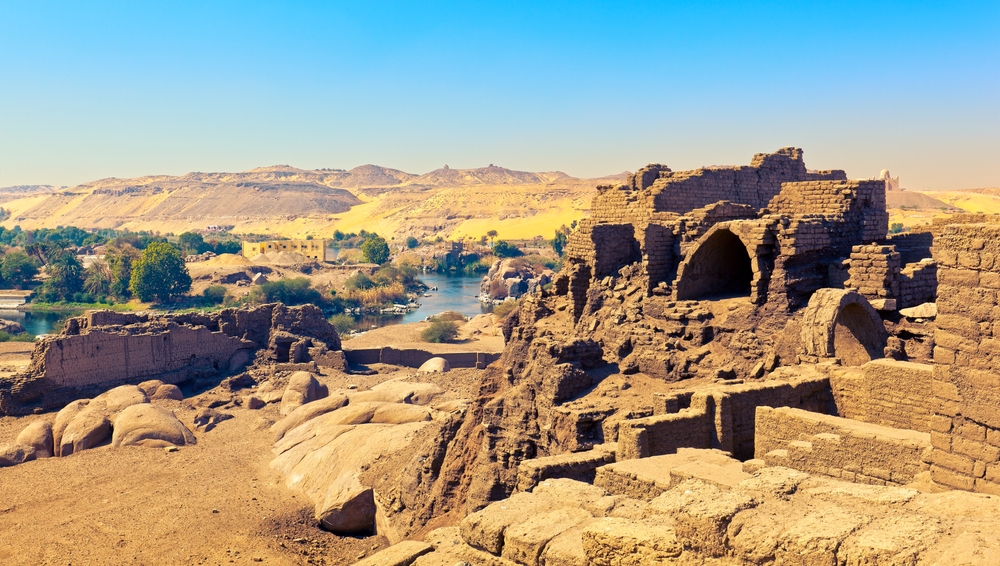
The Egyptians organized their entire year around the Nile. First came Akhet, the flood season. The river overflowed its banks, covering the fields and leaving behind fertile silt—essentially nature’s way of resetting the land for farming. Next was Peret, when the water receded. That’s when people got to work—planting and tending their crops. Finally, Shemu arrived. The land dried out, and it was time to harvest before the cycle began again.
They used a civil calendar with twelve 30-day months, plus five extra days added at the end. The New Year started when Sirius (known to them as Sothis) first appeared at dawn—a sign that the floods were approaching.
From Upper Egypt, the Nile winds through the desert before spreading into the lush Delta. Here, the river divides into the Damietta and Rosetta branches, eventually reaching the Mediterranean. This Delta region still supports Egyptian agriculture, even though some areas now face coastal erosion and salty soils.
Blue Nile vs White Nile: Who Brings What?
When the Ethiopian rains arrive, usually from July to October, the Blue Nile and the Atbara rush in with most of the water and sediment. That’s the dramatic season—the river swells, and suddenly, the Blue Nile takes center stage. But when the rains disappear and the river level drops, the White Nile quietly keeps things going. Its steady flow is what sustains the Nile through the dry months. The exact figures vary depending on the year or which study you consult, but the pattern is clear: the Blue Nile brings the big surge during flood season, and the White Nile keeps the river alive the rest of the year.
The Modern Nile: 11 Countries, One River
The Nile isn’t just Egypt’s river, or Sudan’s, or Ethiopia’s—it passes through 11 countries. They all depend on it, and they all need to cooperate. That’s where the Nile Basin Initiative (NBI) comes in, along with smaller sub-basin programs. These groups focus on sharing data, building river models, and making sure everyone has a fair chance to use the waterwithout interfering with each other’s development plans. It’s not always easy, but cooperation is the only way the river keeps flowing for everyone.
FAQ
Is the Nile still the longest river?
Most people still say yes—it’s about 6,650 kilometers long. But lately, some scientists claim the Amazon edges it out. There’s no settled answer yet, so don’t hold your breath for a final verdict.
Where do the White Nile and Blue Nile meet?
They come together in Khartoum, Sudan. From that point on, it’s just the Nile heading north.
What are the main branches of the Nile Delta?
Two big ones: the Damietta and the Rosetta. Both empty into the Mediterranean.


_lg.webp)
_lg.webp)