_4__lg.webp)
Top spots in Egypt for 2026? Think beyond the usual. From Hurghada to El Gouna, Sahl Hasheesh through to Soma Bay, plus Safaga - and yes, Cairo too - for those who like sand under their wheels. Expert local guides lead every outing, no exceptions. Transfers are quick, tours skip crowded markets entirely. A morning flight or a full-day bus ride gets you to the sights of Old Cairo. the Valley of the Kings awaits alongside Karnak if you pick Luxor in one long day. Prefer slow travel? Two days there eases the rush. The Nile offers floating stays between three and seven nights. Elsewhere, dunes glow at night in the White Desert. Remote monasteries cling to mountain edges near Red Sea hills. Far south, Abu Simbel rises from silence. Sunrise lifts balloons above ancient temples. All guided tours are led in clear English.
Which museum will you visit: GEM (Giza)?
.jpg)
Right now, into late 2025, the big new museum near the pyramids at Giza - called the Grand Egyptian Museum - has opened all its sections, even all the rooms showing objects from the boy king Tutankhamun. Visitors can now see everything he owned gathered together, finally gathered under one roof here. Because slots fill fast, especially when they keep doors open later certain days, getting tickets ahead online through the official website makes sense. That way, no waiting, just walking in
Open today, the Egyptian Museum sits in central Cairo holding vast displays of ancient treasures. It is open during usual times, running from nine in the morning until five. Though one section has changed - Tutankhamun's items left for another site - the rest stands ready. Visitors arrive each day drawn by stone statues, golden masks, and ancient inscriptions carved into the walls. That shift with the famous boy king’s relics didn’t shut down interest. Hours remain steady, sunlight fades slowly behind its columns, people keep walking through
Most days near Cairo, the big museum comes first if entry is available - gives visitors more time with the key displays, skips backtracking from pyramids. When lines get long or schedules change, downtown’s older spot gets picked - the Nile-side one. Each stands apart. One spreads wide, feels like stepping into a fresh world of stone and glass. The other carries the air of history, tucked among streets that have watched decades pass.
Luxor Highlights Valley of the Kings & Karnak Day Trip
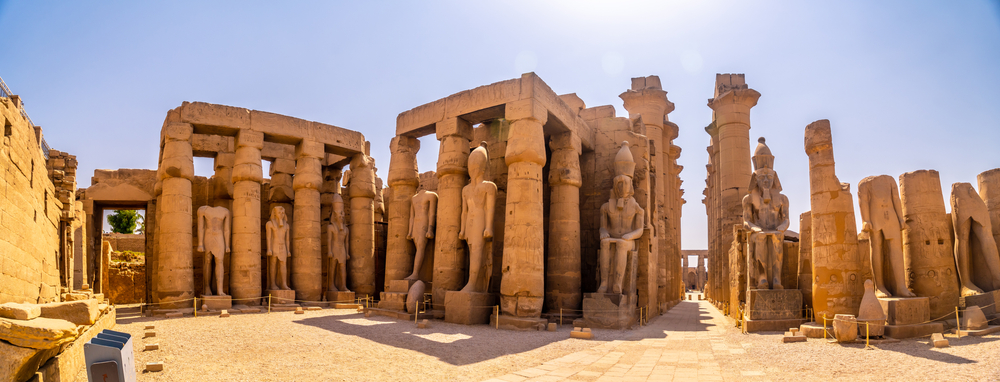
A day trip that goes out and returns, linking the Red Sea coast to ancient Luxor. Usually takes about 16 to 18 hours from start to finish - roughly 4 or 5 hours of driving each way, depending on road conditions. You’ll have a guide who speaks English by default; if needed, a fluent German-speaking guide can join instead.
Most people follow this schedule during the trip
- Early pickup from Hurghada, El Gouna, Sahl Hasheesh, Soma Bay, or Safaga
- West Bank: valley of the kings, colossi of memnon (photo stop)
- Lunch (local restaurant)
- East Bank Karnak Temple
Evening return to your hotel
What you’ll see on a Luxor day trip
Inside the Valley of the Kings, some tombs are open - the selection changes regularly. Which ones you can enter changes without warning. The exact spots available depend on that day’s access. A guide will tell you what is viewable once there. Not every chamber opens regularly, it depends on conditions. access can change depending on conservation work.
Karnak Temple: hypostyle hall, sacred lake, and processional avenues
Colossi of Memnon – brief stop for photos.
Nile Cruise (3, 4, 5 or 7 nights) — why it’s consistently one of Egypt’s best trips
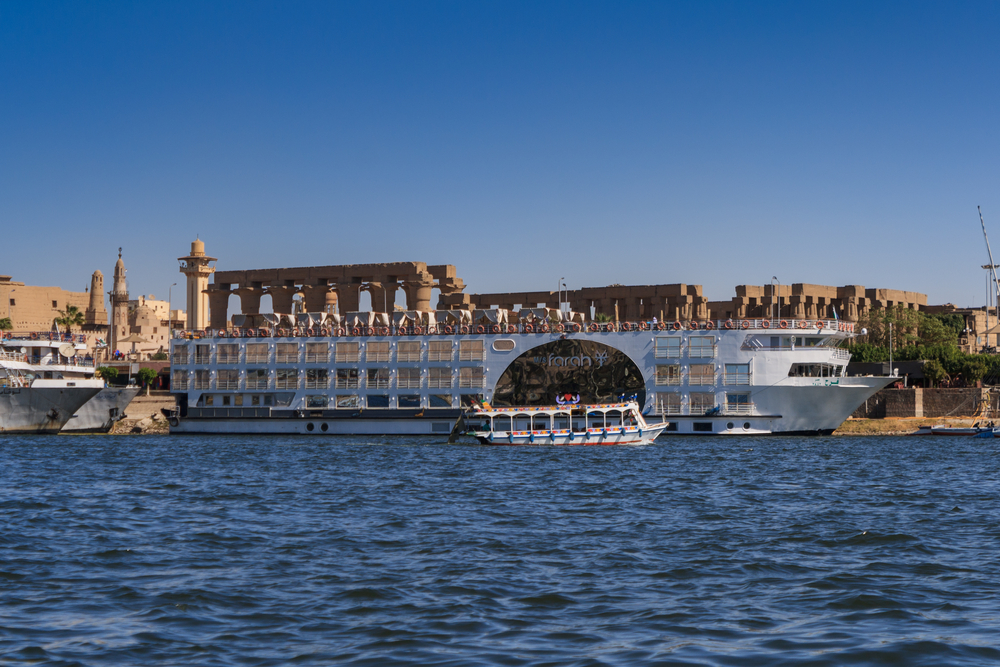
Why a Nile cruise stands out
- One long route includes many of Egypt’s greatest ancient places. Stretching from Luxor to Aswan, temple after temple appears without pause. Karnak rises first, then Luxor Temple follows close behind. Travelers find the Valley of the Kings tucked into the nearby cliffs . Further on, Edfu waits, standing tall among sand and time. Not far ahead, Kom Ombo reveals a design dedicated to two gods. Finally, Philae emerges beside the water, built and rebuilt across centuries. Moving southward means seeing it all in sequence - no need to double back.
- Slipping through the night, your floating Hotel eases into each new port by morning. You unpack once, and that’s it. Each day balances quiet moments on deck for quick trips ashore led by guides. Less time on the road means more more time to relax compared with long journeys by coach.
- Floating along the Nile, following the path of ancient Egypt’s rise brings a view roads can’t offer. Moving step by step,village life and great ruins appear along the riverbanks just the same. The calm rhythm of the river creates moments of stillness that most travel misses.
- Through the windows and open decks, key landmarks slide into view. Short trips lasting three to five days connect Philae with Kom Ombo and then continue toward Edfu. Luxor Temple appears next alongside Karnak - West Bank spots like the Valley of the Kings or Hatshepsut’s mortuary temple might show up too, depending on the schedule.
Private Hurghada City Tour – old & new town in one Trip
Out here, mornings begins with quiet walks through Hurghada’s working port, where boats bob beside palm-lined walkways. You might find yourself watching fishermen unloading crates under slanted morning light while gulls circle above. From there, the route leads into narrower streets - El Dahar comes alive with scent-filled alleys lined with stacked with cardamom, saffron, dates. A different world opens inside the covered market, baskets overflowing, vendors callingout without being pushy. The mosque appears after a left turn near parked scooters, its gate modest but steady in the heat - loose clothing matters here, though help is usually available if something has been forgotten. Just beyond, stone steps lead up to a small Coptic chapel where old icons sit behind glass, untouched by the rush of the outside world. Walking further, light falls across the walls in patches, creating sharp contrasts between shadow and sunbaked plaster. Pause points happen naturally sometimes it's a harbor view caught mid-step, other times a sudden glimpse of painted wooden doors. One stretch includes a brief break at a family-run oven house or tea stall, steam curling from clay pots. No one is pushed toward shops selling trinkets unless asked outright - choices stay yours alone. Pickups and drop-offs take place at your accommodation, the vans stay cool inside even when the heat outside feels intense. Shifts in timing work easily too, whether chasing early clarity or golden-hour glow near moored yachts. The tour usually lasts about three to four hours depending on pauses, morning preferred yet late-day also possible. Guiding is usually in English: mostly English voices guiding, German offered when flagged ahead. Routes adjust naturally based on what catche your eye first - faded facades, street patterns, the movement of local markets. Not everything fits a checklist. Some moments simply happen without warning. Wear comfortable footwear. A light layer helps when stepping into places of worship. Small amounts of cash can be useful for giving a little or buying a drink. Maybe take a turn through the marina area if that appeals. The seaside path could stretch longer, just by walking past where it usually ends. There is also the chance to combine the city tour with either Mini Egypt Park or the Hurghada Grand Aquarium.
White Desert & Bahariya Oasis
.jpg)
White Desert National Park lies in the Farafra Depression, shaped by constant winds that carve soft rock into ghostly towers. Chalk and limestone twist into forms that look like mushrooms or cones, while some resemble creatures frozen mid-step. Snow-white ridges rise from dunes under wide open sky. This stretch of desert earned protection long ago - its silence broken only by shifting sand. The shapes appear slowly, worn by time, standing as nature reshapes stone without plan
Out there beyond Cairo, a familiar two-day path rolls westward - about four to five hours by road until you reach Bahariya Oasis, gateway to Egypt’s vast Western Desert. From that point onward, travel shifts to rugged 4x4 terrain, tracing a loop through surreal spots. The dark mounds of the Black Desert appear first, shaped by ancient volcanic activity. Then comes Crystal Mountain, where jagged ridges sparkle under sunlight thanks to embedded quartz crystals. Dunes rise next, along with narrow ravines tucked inside Aqabat, also known as Agabat. Later, both the older and newer sections of the White Desert unfold, filled with wind-carved rock formations like scattered sculptures. Nights are spent camped across open sands, beneath skies so clear they reveal countless stars
Winter mornings bring soft light, perfect for photos, while evenings need warm layers. Inside the reserve, you cannot go alone -permits must be arranged in advance. Guides come along, knowing paths and rules. Tents get set up by teams who know where to place them. Travel between October and April if cool air suits your rhythm.
White Desert & Bahariya Oasis HighlightsBlack Desert :
Dark volcanic cones and basalt‑strewn slopes between Bahariya and Farafra.
Crystal Mountain – a natural ridge sparkling with quartz and calcite crystals; a popular photo stop along the route.


__thumb.webp)


_6_lg.webp)
_lg.webp)

_lg.webp)
_lg.webp)


_2_lg.webp)

_3_lg.webp)