__lg.webp)
Hurghada has earned its reputation as one of the Red Sea's most accessible snorkeling destinations. With over 40 kilometers of coastline, crystal-clear waters, and some of the world's most vibrant coral reefs, it attracts hundreds of thousands of visitors annually – many of whom have never snorkeled before.
But if you're reading this, you probably have questions. Can you really snorkel if you're not a confident swimmer? What will you actually see beneath the surface? Is it safe for your children? And perhaps most importantly, what should you realistically expect?
This guide answers those questions honestly, without the marketing spin. Whether you're planning your first Red Sea adventure or bringing the family for a beach holiday with some underwater exploration, you'll find practical, trustworthy information to help you prepare.
What Makes Hurghada One of the Best Snorkeling Destinations?
The Red Sea's unique geography creates exceptional snorkeling conditions year-round. Unlike ocean destinations affected by large tides and unpredictable currents, the Red Sea remains relatively calm and protected. Water temperatures rarely drop below 22°C (72°F) even in winter, and visibility typically ranges from 20-30 meters thanks to minimal plankton and sediment.
Hurghada specifically benefits from:
Protected Marine Areas: The Giftun Island National Park, established in 1995, protects 18 islands and their surrounding reefs from overfishing and environmental damage. This conservation effort means healthier coral and more abundant marine life.
Accessibility: Unlike some Red Sea destinations requiring liveaboards or advanced certification, Hurghada's best reefs are reachable within 30-90 minutes by boat from the marina. Many sites feature shallow coral gardens starting at just 2-3 meters depth.
Infrastructure: Decades of tourism development mean professional operators, well-maintained boats, and established safety protocols. You're not venturing into the unknown – you're joining a well-organized industry.
Variety: From calm sheltered bays perfect for first-timers to offshore reefs attracting pelagic species, Hurghada offers options for every ability level and interest.
Can Beginners Snorkel in Hurghada?
.jpg)
Absolutely yes. Hurghada is genuinely beginner-friendly, but with important caveats.
The Red Sea's high salinity (approximately 40% saltier than the Mediterranean) provides natural buoyancy that makes floating easier than in freshwater or less saline oceans. Most designated snorkeling sites feature calm, shallow areas specifically suitable for novices.
However, "beginner-friendly" doesn't mean "no effort required." You should:
- Be comfortable putting your face in water
- Manage basic swimming movements (even if not a strong swimmer)
- Follow instructions from guides
- Remain calm in open water situations
- Communicate if you feel uncomfortable
Best locations for beginners:
- Sharm El Naga (sheltered bay, minimal current)
- Giftun Island western lagoons (shallow, calm)
- Orange Bay (very shallow, beach access)
- Mahmya Island (protected house reef)
Locations to avoid as a beginner:
- Shaab El Erg (Dolphin House) – open sea, currents possible
- Careless Reef – advanced drift snorkeling
- Deep offshore reefs – distance from shore, potential currents
If this is your first time snorkeling anywhere, consider booking a guided beginner-friendly snorkeling trip and let your tour operator know you're a first-time snorkeler so they can recommend the most suitable location.
Can Non-Swimmers Join Snorkeling Trips?
Yes, but with limitations.
Many operators accept non-swimmers on snorkeling trips, particularly to shallow, calm locations. However, you should understand what this realistically means:
What's possible:
- Floating in shallow water (waist to chest depth) while wearing a life jacket
- Observing fish from the surface with guidance
- Participating in island beach time while others snorkel
- Using flotation aids (pool noodles, buoyancy vests)
What's not realistic:
- Exploring coral gardens independently
- Swimming against any current
- Comfortable participation in deeper water sites
- Emergency self-rescue if separated from the group
Important considerations:
Most professional operators require non-swimmers to wear life jackets at all times in the water. This isn't negotiable – it's a safety requirement. Some operators may restrict non-swimmers to specific calm locations only.
If you genuinely cannot swim, be honest when booking. Reputable operators will advise whether the specific trip suits your abilities or recommend alternative experiences like glass-bottom boat tours.
Alternative for non-swimmers: Many snorkeling trips visit islands with beautiful beaches where you can enjoy the scenery, swim in shallow lagoons, or relax while others snorkel. You're still part of the experience without entering deep water.
Is Snorkeling Safe in Hurghada?
Generally yes, when following basic precautions.
Hurghada's snorkeling industry operates under Egyptian tourism regulations with established safety standards. However, "safe" doesn't mean "risk-free." Understanding the realities helps you make informed decisions.
Safety factors working in your favor:
- Professional guides accompany groups
- Life jackets provided and often mandatory
- Boats carry first aid equipment and communication devices
- Weather forecasts monitored; trips cancelled in poor conditions
- Designated snorkeling areas avoid boat traffic
- Most sites have shallow sections for emergency standing
Real risks to acknowledge:
Sun exposure: The Egyptian sun is intense. Sunburn and heat exhaustion are more common dangers than marine life. Always use reef-safe sunscreen, wear protective clothing, and stay hydrated.
Boat traffic: Entering/exiting water near boats requires caution. Always follow crew instructions about entry/exit points and wait for signals.
Currents: While most beginner sites have minimal current, unexpected conditions can occur. Never snorkel alone; stay with your group and guide.
Marine life: The Red Sea has few genuinely dangerous species. Stonefish and lionfish exist but are cryptic and avoid humans. The real risk is touching coral (which can cause cuts and introduce infection) or chasing wildlife (which stresses animals and may provoke defensive behavior).
Medical considerations:
Pregnancy: Most operators accept pregnant women up to 24-28 weeks but require medical clearance. Snorkeling at shallow depths is generally considered safe, but consult your doctor.
Heart conditions, asthma, epilepsy: Discuss with your physician before booking. Inform the operator of any conditions requiring special consideration.
Ear problems: Equalizing pressure isn't typically an issue at snorkeling depths, but if you have chronic ear infections or recent surgery, seek medical advice.
Recent surgery or illness: Wait until fully recovered. Dehydration and exertion can complicate recovery.
Best Time of Year for Snorkeling in Hurghada
Hurghada offers year-round snorkeling, but conditions vary significantly by season. There's no single "best" time – it depends on your priorities.
Weather by Season
- Spring (March-May):
- Air temperature: 25-32°C (77-90°F)
- Water temperature: 23-26°C (73-79°F)
Conditions: Generally calm, excellent visibility
Wildlife: Peak season for hammerhead sharks (March-May)
Crowds: Moderate
Best for: Balanced conditions, wildlife enthusiasts
- Summer (June-August):
- Air temperature: 30-38°C (86-100°F)
- Water temperature: 27-29°C (81-84°F)
Conditions: Very warm, occasional wind
Visibility: Good, though plankton blooms possible
Crowds: High (European school holidays)
Best for: Warm water lovers, families with school holidays
- Autumn (September-November):
- Air temperature: 26-33°C (79-91°F)
- Water temperature: 26-28°C (79-82°F)
Conditions: Excellent, calm seas
Visibility: Outstanding (25-30+ meters)
Crowds: Decreasing after October
Best for: Best overall conditions, avoiding crowds
- Winter (December-February):
- Air temperature: 20-26°C (68-79°F)
- Water temperature: 22-24°C (72-75°F)
Conditions: Cooler, occasional wind/waves
Visibility: Good to excellent
Crowds: High during Christmas/New Year, low otherwise
Best for: Escape winter, lower prices (except holidays)
Do You Need a Wetsuit?
For most summer visitors (June-September), a wetsuit is unnecessary unless you're particularly sensitive to cold or planning extended water time. However, consider:
Rash guards (lycra shirts): Provide sun protection and prevent jellyfish stings (rare but possible). Recommended year-round.
Useful in winter months (December-February) and for those who get cold easily. Also provides buoyancy and protection from accidental coral contact.
Most operators include basic equipment (mask, snorkel, fins, life jacket) in tour prices. Wetsuits may be available for rent [Verification Required – confirm with specific operator].
Visibility Underwater
Red Sea visibility typically ranges from 20-30 meters (65-100 feet), among the best globally. Factors affecting visibility:
Improves visibility:
- Calm weather (no wind/waves stirring sediment)
- Distance from shore (offshore reefs clearer than coastal areas)
- Morning hours (before boat traffic increases)
- Autumn months (September-November)
Reduces visibility:
- Strong winds creating waves
- Plankton blooms (usually spring/summer, temporary)
- Proximity to mainland (sediment runoff)
- Afternoon hours (more boat activity)
What Marine Life Can You See?
The Red Sea hosts over 1,200 fish species, with approximately 10% found nowhere else on Earth. While specific encounters are never guaranteed, understanding what's commonly observed helps set realistic expectations.
Common Fish Species
You'll almost certainly see:
Parrotfish – Colorful, beak-like mouths for eating coral
Angelfish – French angelfish, emperor angelfish (juveniles look completely different from adults)
Butterflyfish – Various species with distinctive patterns
Surgeonfish/Tang – Including the iconic blue tang
Bannerfish – Black and white striped, often in large schools
Clownfish – Living in anemones (yes, like Nemo)
Sergeant majors – Black and yellow striped, very common
Goatfish – Bottom feeders with barbels
Wrasses – Many species, including the large Napoleon wrasse
Coral Reefs
Hurghada's coral gardens feature both hard and soft corals:
Hard corals:
Staghorn coral (Acropora) – branching formations
Brain coral – rounded, maze-like patterns
Table coral – flat, table-like structures
Star coral – small polyps forming colonies
Soft corals:
Sea fans – fan-shaped gorgonians
Leather corals – fleshy, flexible formations
Pulsing xenia – purple corals that "pulse" in current
Important: Coral appears less colorful than tropical fish photography suggests. Natural colors are more subtle – browns, greens, purples, yellows. Vibrant photos often use artificial lighting or filters.
Sea Turtles
Green turtles and hawksbill turtles inhabit Hurghada reefs year-round. Highest sighting probability at:
Sharm El Naga (seagrass feeding areas)
Giftun Island seagrass beds
Mahmya Island house reef
Reality check: While turtles are common, sightings aren't guaranteed on every trip. Turtles are wild animals following natural patterns. If you see one, maintain at least 3 meters distance and never chase.
Dolphins
Bottlenose dolphins frequent offshore reefs, particularly Shaab El Erg (Dolphin House), where a resident pod of 100-150 individuals lives.
Critical facts:
Sightings average 60-70% probability – not guaranteed
Dolphins are wild animals, not attractions
Egyptian law prohibits chasing, touching, or swimming with dolphins
Responsible operators maintain distance and don't pursue dolphins
Morning trips (7-9 AM) offer best sighting probability
If dolphin encounters are your priority, book a dedicated Dolphin House trip but understand these are wild animals in their natural habitat, not a performance.
Rays
Blue-spotted stingrays commonly rest on sandy patches between coral formations. They're generally docile but have venomous tail spines – never touch or step near them.
Eagle rays occasionally patrol outer reef edges, particularly at deeper offshore sites. Larger and more pelagic than stingrays.
Manta rays are rare but possible visitors to cleaning stations at deeper reefs.
Moray Eels
Three species inhabit Hurghada reefs:
White-eyed moray – most common
Gold-saddle moray – distinctive yellow saddle marking
Giant moray – largest, up to 3 meters
Moray eels hide in coral crevices during daylight, extending their heads to observe. They're generally not aggressive unless provoked or cornered. Never put hands in holes or crevices.
Occasional Reef Sharks
Grey reef sharks and white-tip reef sharks patrol outer reef walls, particularly at offshore sites like Abu Ramada, Careless Reef, and Shaab El Erg.
Important context:
These sharks are small (typically 1-1.5 meters)
Completely harmless to snorkellers when not fed
Naturally shy and usually observe from distance
Indicate a healthy reef ecosystem
Never chase or approach sharks
Shark encounters are a positive sign of reef health, not a danger. No unprovoked shark attacks on snorkellers have been recorded in Hurghada's recreational snorkeling areas.
Understanding Boat Types and Trip Options
Not all snorkeling trips are equal. Understanding the differences helps you choose the right experience for your needs.
Large Shared Boats (Traditional Dhows)
Capacity: 30-50+ passengers
Typical cost: Budget-friendly [Verification Required]
Pros:
Most economical option
Spacious decks with shaded areas
Onboard toilets and changing facilities
Buffet lunch included
Social atmosphere
Stable in moderate waves
Cons:
More passengers = more crowded snorkeling sites
Slower speed (longer travel time)
Less flexibility in schedule
Fixed itinerary
May feel impersonal
Best for: Budget travelers, solo travelers wanting to meet people, those prioritizing cost over exclusivity, families comfortable with crowds.
Small-Group Boats
Capacity: 12-20 passengers
Typical cost: Mid-range [Verification Required]
Pros:
Fewer people at snorkeling sites
Faster boats than large dhows
More personalized guide attention
Better group cohesion
Still includes facilities and meals
Cons:
Higher cost than large boats
Still follows fixed itinerary
Less spacious than large boats
Best for: Couples, small groups, those wanting balance between cost and experience quality, photographers wanting less crowded sites.
Speedboats
Capacity: 8-12 passengers
Typical cost: Premium [Verification Required]
Pros:
Fastest travel time (reach sites in 20-40 minutes vs. 60-90)
Access to more remote reefs
Smaller groups = less crowding
More flexibility in itinerary
Adventure factor
Cons:
Highest cost per person
Rougher ride in waves (not suitable for seasickness-prone)
Limited facilities (often no toilet)
Less shade
Shorter trips possible
Best for: Experienced snorkellers maximizing water time, those prone to seasickness on large boats (paradoxically, speedboats' shorter duration can help), adventure seekers, photographers wanting exclusive sites.
Island Excursions vs. Dedicated Snorkeling Trips
Island excursions (Orange Bay, Paradise Island, Mahmya) combine beach time with snorkeling. You'll spend significant time on land with facilities, restaurants, and shallow lagoons. Snorkeling is one activity among several.
Dedicated snorkeling trips focus entirely on underwater exploration, visiting 2-3 different reef sites with maximum water time. No beach facilities – everything happens on the boat or in the water.
Choose island excursions if:
Traveling with mixed groups (some want beach, some want snorkeling)
Want facilities and comfort
Prefer shallow, calm water
Enjoy beach photography and relaxation
Choose dedicated snorkeling trips if:
Primary goal is underwater exploration
Want to see multiple reef types
Comfortable spending entire day on boat/in water
Prioritize marine life over beach amenities
Shore Snorkeling in Hurghada
While most quality reefs require boat access, some hotels offer house reef snorkeling directly from the beach. Quality varies dramatically.
Advantages:
No boat transfer needed
Flexible timing
No additional cost (if staying at resort)
Practice at your own pace
Limitations:
Coastal reefs often less pristine than offshore sites
Higher sediment, lower visibility
Limited marine life diversity
Entry/exit can be challenging (rocky, coral)
No guide supervision
Best shore snorkeling locations: [Verification Required – research current hotel house reefs]
What to Bring: Essential Packing Checklist
Proper preparation significantly improves your snorkeling experience. Here's what to pack:
Documents & Money
Passport or ID copy – Required by most operators for registration
Cash (Egyptian pounds) – For tips, additional drinks, souvenirs, lockers
Credit card – Backup payment method [Verification Required – confirm if accepted]
How much cash? Bring 200-500 EGP for tips, drinks, and incidentals. Most boats accept cash only for extras.
Clothing & Protection
Swimwear – Wear under clothes to save changing time
Rash guard or t-shirt – Sun protection (essential)
Hat with strap – Prevents loss in wind
Sunglasses with strap – Polarized lenses reduce glare
Cover-up/light clothing – For boat ride and island time
Sandals or water shoes – Protect feet on hot decks and coral
Towels & Dry Storage
Quick-dry towel – Compact, dries faster than cotton
Dry bag – Protects phone, wallet, clothes from water
Waterproof phone case – For underwater photos [test before trip]
Change of clothes – For return journey
Sun & Sea Protection
Reef-safe sunscreen – Mineral-based (zinc oxide/titanium dioxide), NO oxybenzone or octinoxate
Lip balm with SPF – Often forgotten, essential
Aloe vera gel – For unexpected sunburn
Sunscreen note: Apply 30 minutes BEFORE entering water. Reapply after snorkeling, not during. Egyptian sun is intense even on cloudy days.
Health & Comfort
Motion sickness tablets – Take 1 hour before departure if prone to seasickness
Personal medications – Bring what you need
Reusable water bottle – Stay hydrated; refill on boat
Snacks – Energy bars, fruit (though lunch typically provided)
Sealable plastic bags – For wet swimwear
Optional but Useful
Underwater camera or GoPro – If you have one
Prescription snorkel mask – If you wear glasses [see equipment section]
Beach bag – To carry everything
Book or entertainment – For boat rides
Waterproof watch – Track time in water
What NOT to Bring
Valuables – Leave expensive jewelry in hotel safe
Large amounts of cash – Bring only what you'll use
Glass bottles – Most boats prohibit glass
Drones – Require special permits in Egypt
Alcohol – Generally not permitted on boats
Snorkeling Equipment: What You Need to Know
Understanding equipment helps you prepare and ensures comfort during your trip.
Mask
The most important piece of equipment. A poorly fitting mask ruins the experience.
How to test fit:
Place mask on face without strap
Inhale gently through nose
Mask should stay in place by suction alone
No gaps, especially around nose bridge
Hair shouldn't be trapped under skirt
Common issues:
Fogging: Use defogging solution or baby shampoo before first use. Never spit in mask (unhygienic and damages silicone).
Leaking: Usually caused by hair under skirt, improper fit, or strap too tight (should be snug, not crushing).
Pressure on nose: Choose masks with nose pocket or separate nose cover.
Prescription masks: If you wear glasses, options include:
Prescription snorkel masks (available for rent at some shops) [Verification Required]
Contact lenses (daily disposables recommended; bring spares)
Stick-on prescription lenses for standard masks
Full-face masks: These cover entire face allowing breathing through mouth and nose. Not recommended for several reasons:
CO₂ buildup risk in cheaper models
Difficult to clear if water enters
Many professional operators don't allow them
Can't equalize pressure if diving deeper
Harder to communicate with guides
Stick with traditional mask and snorkel unless you have specific medical reasons.
Snorkel
Basic design: J-shaped tube with mouthpiece.
Features to consider:
Dry-top valve: Prevents water entry when submerged (useful but not essential)
Purge valve: Easier water clearing
Flexible tube: More comfortable, less jaw fatigue
Splash guard: Reduces water entry from waves
Most operators provide basic snorkels that work adequately. If you snorkel frequently, consider buying your own for hygiene and comfort.
Fins
Purpose: Efficient movement, leg protection, buoyancy.
Types:
Full-foot fins: Enclose entire foot (like shoes). Best for warm water, boat entries.
Open-heel fins: Adjustable strap, worn with booties. Better fit, more versatile.
Sizing: Should be snug but not painful. Too loose = blisters; too tight = cramps. Most operators stock multiple sizes.
Important: Practice walking backwards when entering water from boat. Never walk forward in fins on deck (trip hazard).
Life Jacket & Flotation Aids
Life jackets (PFDs): Provided by all operators and often mandatory, especially for:
Non-swimmers
Children under 12
Anyone requesting one
Types:
Standard life jacket: High buoyancy, bulky
Snorkeling vest: Inflatable, less restrictive, adjustable buoyancy
Pool noodle/floatation belt: Additional support for beginners
Don't be embarrassed to use flotation aids. Even strong swimmers benefit from resting while floating. The goal is enjoying the experience, not proving swimming ability.
Children's Equipment
Most operators provide child-sized masks, snorkels, fins, and life jackets. However:
Check quality: Children's equipment is often lower quality than adult gear. Test fit before entering water.
Bring your own if: Your child has specific needs, you're concerned about hygiene, or equipment quality is consistently poor [research operator reviews].
Infant/toddler considerations: Most operators accept children 4-6+ years for snorkeling. Younger children can participate in boat trips but should remain in shallow, supervised areas only.
How to Check Equipment Quality
Before accepting equipment:
Mask: Check for cracks, tears in silicone, strap elasticity
Snorkel: Ensure mouthpiece isn't degraded, tube isn't cracked
Fins: Look for cracks, especially at blade-foot pocket junction
Life jacket: Test buckles, check for tears, ensure inflation works
Don't accept damaged equipment. Request replacements immediately. Your safety depends on functioning gear.
Common Mistakes First-Time Snorkelers Make in Hurghada
Learning from others' errors improves your experience. Here are the top mistakes to avoid:
1. Not Testing Equipment Before Entering Water
Mistake: Accepting mask/snorkel without checking fit, then discovering problems in deep water.
Solution: Test everything in shallow water or even on the boat deck (mask suction test). Request adjustments before the group enters.
2. Touching or Standing on Coral
Mistake: Reaching out to touch colorful fish, grabbing coral for stability, or standing on reef to rest.
Solution: Keep hands clasped behind your back or at your sides. Remember: coral is alive, sharp, and fragile. Touching kills polyps and can cause painful cuts.
3. Chasing Marine Life
Mistake: Swimming after turtles, fish, or dolphins to get closer looks or photos.
Solution: Let animals approach you. Chasing causes stress, wastes your energy, and often makes wildlife flee. Patient observers get better encounters.
4. Breathing Through the Nose
Mistake: Inhaling through nose while wearing mask, causing fogging and panic.
Solution: Breathe slowly and deeply through your mouth only. Practice on land first if anxious.
5. Not Using Defogger
Mistake: Mask fogs up immediately, ruining visibility.
Solution: Apply defogging solution or diluted baby shampoo before first use. Rinse lightly (don't scrub). Reapply as needed.
6. Overestimating Swimming Ability
Mistake: Venturing too far from boat/group, then struggling to return against current or fatigue.
Solution: Stay within comfortable distance. Use flotation aids if tired. Signal guide immediately if struggling.
7. Ignoring Sun Protection
Mistake: Underestimating Egyptian sun, skipping sunscreen or protective clothing, getting severe sunburn.
Solution: Apply reef-safe sunscreen 30 minutes before water entry. Wear rash guard, hat, sunglasses. Reapply after snorkeling. Seek shade on boat.
8. Not Listening to Safety Briefing
Mistake: Tuning out guide instructions, then getting lost, separated, or entering unsafe areas.
Solution: Pay attention to briefing. Ask questions if unclear. Follow designated snorkeling areas and guide signals.
9. Forgetting to Hydrate
Mistake: Not drinking enough water, leading to dehydration, fatigue, and heat exhaustion.
Solution: Drink water before, during (on boat), and after snorkeling. Bring reusable bottle. Avoid excessive caffeine/alcohol before trips.
10. Expecting Aquarium-Like Conditions
Mistake: Disappointment when water isn't perfectly still, fish don't pose for photos, or coral looks less colorful than Instagram suggests.
Solution: Set realistic expectations. This is a wild ecosystem, not a controlled environment. Appreciate what you see rather than comparing to edited photography.
What Snorkeling in Hurghada Is Really Like: Honest Expectations
Marketing materials show perfect conditions: crystal water, abundant wildlife, serene experiences. Reality is more nuanced. Here's what to genuinely expect.
Visibility Changes
While Red Sea visibility averages 20-30 meters, it's not constant:
Morning: Usually clearest (before boat traffic stirs sediment)
Afternoon: Slightly reduced visibility possible
After wind: May take 24-48 hours to clear
Near shore: Less clear than offshore reefs
Seasonal: Plankton blooms (usually spring/summer) temporarily reduce visibility to 10-15 meters
Even "reduced" visibility in Hurghada exceeds most global destinations. Don't expect perfection every day.
Weather Changes
The Red Sea is generally calm but not immune to weather:
Winter (Dec-Feb): Occasional strong winds create waves, particularly affecting northern reefs
Summer: Generally calm but afternoon winds possible
Sandstorms (khamsin): Rare but can occur spring/autumn, reducing visibility and comfort
Trips may be cancelled or routes changed for safety. This protects you but can disappoint. Always have backup plans.
Crowds
Popular sites get busy:
Peak season: June-August, Christmas/New Year = maximum crowds
Peak times: 11 AM – 2 PM = multiple boats at same site
Popular reefs: Giftun Island, Orange Bay = highest visitor numbers
Strategies to avoid crowds:
Book early morning departures (7-8 AM)
Visit less-marketed reefs (Abu Ramada, Sharm El Naga)
Travel shoulder season (April-May, September-October)
Choose smaller group boats or speedboats
Boat Delays & Logistics
Things don't always run perfectly:
Late departures: Waiting for all passengers to arrive
Slow returns: Weather, mechanical issues, or waiting for late snorkelers
Crowded boats: More passengers than expected
Basic facilities: Toilets may be rudimentary; changing space limited
Prepare mentally: This is Egypt, not Switzerland. Flexibility and patience improve your experience.
Wildlife Unpredictability
Critical reality: Marine life is wild and unpredictable.
Turtles: Common but not guaranteed daily
Dolphins: 60-70% sighting probability at Dolphin House – not 100%
Sharks: Possible at offshore reefs but never guaranteed
Specific fish: Can't promise you'll see clownfish, Napoleon wrasse, or any particular species
Operators cannot control wildlife. Anyone guaranteeing specific encounters is being dishonest. You're visiting a natural ecosystem, not an aquarium.
Island Time vs. Snorkeling Time
Many trips advertise "snorkeling at 3 locations" but reality includes:
Travel time to sites (30-90 minutes each way)
Safety briefings
Equipment distribution
Lunch break (30-60 minutes)
Waiting for group members
Return journey
Actual snorkeling time: Typically 60-90 minutes total, split between 2-3 sites. This is normal and sufficient for most people.
No Guarantees
Repeat after me: Nothing is guaranteed except boat transport and equipment.
Weather can change
Wildlife may not appear
Visibility varies
Conditions differ from photos
Other tourists affect experience
This isn't a criticism – it's the nature of wild ecosystems. Embrace the adventure and appreciate what you encounter rather than fixating on expectations.
Responsible Snorkeling: Protecting Hurghada's Reefs
The Red Sea's coral reefs face threats from climate change, coastal development, and tourism. Your behavior directly impacts their survival.
The Golden Rules
1. Never Touch Coral
Coral polyps are living animals. A single touch can:
Kill years of growth
Introduce bacteria causing disease
Break fragile structures
Remove protective mucus coating
Even gentle contact causes damage. Keep hands to yourself.
2. Never Stand on Coral
Standing on reef to rest, adjust equipment, or take photos crushes coral instantly. If you need to rest:
Float horizontally using life jacket
Move to sandy area away from coral
Signal guide for assistance
3. Don't Feed Fish
Feeding fish disrupts natural behavior:
Creates dependency on humans
Alters feeding patterns
Aggregates fish unnaturally (attracting predators)
Introduces inappropriate food
Fish will approach out of curiosity – don't encourage it with food.
4. Keep Distance from Turtles
Egyptian law protects sea turtles. Maintain at least 3 meters distance:
Don't chase or surround turtles
Don't touch or ride turtles
Don't block their path to surface (they need to breathe)
Observe quietly from distance
Harassment can result in fines [Verification Required – confirm current penalties].
5. Keep Distance from Dolphins
Dolphins at Shaab El Erg are wild animals, not attractions:
Never chase or pursue dolphins
Maintain respectful distance (10+ meters)
Don't attempt to touch or swim with dolphins
Let dolphins approach if curious
Egyptian law prohibits dolphin harassment with significant fines. Responsible operators enforce these rules.
6. Use Reef-Safe Sunscreen
Chemical sunscreens containing oxybenzone and octinoxate:
Contribute to coral bleaching
Damage coral DNA
Disrupt marine ecosystems
Use only mineral sunscreens (zinc oxide or titanium dioxide). Apply 30 minutes before water entry.
7. Don't Collect Shells or Marine Life
Removing anything from the reef:
Disrupts ecosystem balance
Is illegal in protected areas
Deprives other visitors of natural beauty
Often kills organisms (hermit crabs in shells, etc.)
Leave everything as you found it. Take only photos.
Additional Responsible Practices
Don't litter: Even biodegradable items disrupt ecosystems
Minimize plastic: Bring reusable water bottle
Choose responsible operators: Support companies with conservation commitments
Educate others: Share responsible practices with fellow snorkelers
Report damage: Inform guides if you observe coral damage or wildlife harassment
Frequently Asked Questions
Is snorkeling in Hurghada worth it?
Yes, for most visitors. Hurghada offers some of the world's most accessible coral reefs with exceptional visibility, abundant marine life, and professional infrastructure. Even beginners can experience vibrant underwater ecosystems. However, if you're uncomfortable in water, severely seasickness-prone, or expecting guaranteed dolphin/turtle encounters, carefully consider whether it suits you.
Can non-swimmers snorkel?
Yes, with limitations. Non-swimmers can participate in shallow, calm areas wearing life jackets and using flotation aids. You won't explore coral gardens independently, but you can observe fish from the surface and enjoy the experience. Always inform operators of your swimming ability when booking.
Can children snorkel?
Generally yes, from age 4-6+. Most operators accept children who are comfortable in water and can follow instructions. Children must wear life jackets and be supervised by adults. Choose calm, shallow locations (Sharm El Naga, Orange Bay lagoons) for young children. Infants and toddlers can join boat trips but shouldn't enter deep water.
Is Hurghada good for beginners?
Excellent for beginners. The Red Sea's high salinity provides natural buoyancy, many sites feature shallow calm water, and professional guides ensure safety. Choose beginner-appropriate locations and be honest about your swimming ability. Consider a dedicated beginner trip for your first experience.
What month is best for snorkeling?
September-November offers the best overall conditions: excellent visibility, warm water (26-28°C), calm seas, and fewer crowds. However, Hurghada is year-round destination:
Spring (Mar-May): Good conditions, hammerhead season
Summer (Jun-Aug): Warmest water, peak crowds
Winter (Dec-Feb): Cooler but still pleasant, lower prices
Choose based on your priorities and schedule flexibility.
How cold is the water?
Water temperatures range from 22°C (72°F) in winter to 29°C (84°F) in summer. Most people find 24°C+ comfortable without wetsuits. If you get cold easily or plan extended water time, consider a 3mm shorty wetsuit in winter months (Dec-Feb).
Can I wear glasses while snorkeling?
Options include:
Contact lenses: Most practical solution (daily disposables recommended)
Prescription snorkel masks: Available for rent at some shops [Verification Required]
Stick-on prescription lenses: Can be added to standard masks
Full-face masks with prescription inserts: Limited availability
Discuss options with your operator when booking.
Do I need a wetsuit?
Not essential for most visitors June-September when water reaches 27-29°C. However, consider:
Rash guard: Recommended year-round for sun protection
3mm shorty: Useful Dec-Feb or if you get cold easily
Rental availability: Most operators offer wetsuits for rent [Verification Required]
Can I see turtles?
Yes, turtles are common but not guaranteed daily. Highest probability at Sharm El Naga, Giftun Island seagrass beds, and Mahmya. Green turtles and hawksbill turtles inhabit Hurghada reefs year-round. Maintain 3+ meters distance and never chase.
Can I see dolphins?
Possible but not guaranteed. Bottlenose dolphins frequent Shaab El Erg (Dolphin House) with 60-70% sighting probability. These are wild animals following natural patterns. Morning trips (7-9 AM) offer best probability. Never chase or touch dolphins – Egyptian law prohibits harassment.
What should I bring?
Essentials: Swimwear, towel, reef-safe sunscreen, hat, sunglasses, water, cash (200-500 EGP), passport copy, motion sickness tablets if prone. Useful: Rash guard, waterproof phone case, dry bag, change of clothes, snacks. See detailed packing list above.
How long do trips last?
Typical duration: 6-8 hours total including:
Hotel pickup/dropoff: 30-60 minutes
Boat travel to sites: 30-90 minutes each way
Snorkeling time: 60-90 minutes total (2-3 sites)
Lunch break: 30-60 minutes
Safety briefings and equipment: 15-30 minutes
Actual water time is less than total trip duration.
How rough are the waves?
Generally calm, particularly at sheltered sites. The Red Sea experiences minimal tides and most snorkeling locations are protected. However:
Winter (Dec-Feb): Occasional strong winds create waves, particularly affecting northern reefs
Open sea sites: Shaab El Erg, Careless Reef can be rougher than sheltered bays
Afternoon: Wind often picks up after 2 PM
Operators monitor conditions and cancel or reroute trips if unsafe.
What happens in bad weather?
Trips may be:
Cancelled: Full refund or rescheduling offered
Rerouted: Alternative sheltered sites substituted
Shortened: Reduced itinerary for safety
Delayed: Waiting for improved conditions
Your safety is prioritized over schedule. Always check weather forecasts and maintain flexible expectations.
How much cash should I carry?
Recommend 200-500 EGP for:
Tips for crew (50-100 EGP typical)
Additional drinks/snacks
Locker rental [if applicable]
Souvenirs
Emergency needs
Most boats are cash-only for extras. Credit cards rarely accepted [Verification Required].
Should I tip?
Tipping is customary in Egyptian tourism. While not mandatory, it's appreciated:
Guide: 20-50 EGP
Boat crew: 20-50 EGP total (can be pooled)
Excellent service: More is always welcome
Tips are typically given at trip end in Egyptian pounds.
Ready to Explore Hurghada's Underwater World?
Snorkeling in Hurghada offers an accessible window into one of the planet's most spectacular marine ecosystems. Whether you're a complete beginner or experienced snorkeler, the Red Sea's vibrant coral gardens and abundant marine life create unforgettable experiences.
Remember: set realistic expectations, prioritize safety, respect the marine environment, and choose operators committed to responsible tourism. The reefs will reward patient, respectful observers with encounters you'll treasure.
Explore available snorkeling trips: Snorkeling Trips in Hurghada
What Marine Life Can You See?
The Red Sea hosts over 1,200 fish species, with approximately 10% found nowhere else on Earth. While specific encounters are never guaranteed, understanding what's commonly observed helps set realistic expectations.
Common Fish Species
You'll almost certainly see:
Parrotfish – Colorful, beak-like mouths for eating coral
Angelfish – French angelfish, emperor angelfish (juveniles look completely different from adults)
Butterflyfish – Various species with distinctive patterns
Surgeonfish/Tang – Including the iconic blue tang
Bannerfish – Black and white striped, often in large schools
Clownfish – Living in anemones (yes, like Nemo)
Sergeant majors – Black and yellow striped, very common
Goatfish – Bottom feeders with barbels
Wrasses – Many species, including the large Napoleon wrasse
Coral Reefs
Hurghada's coral gardens feature both hard and soft corals:
Hard corals:
Staghorn coral (Acropora) – branching formations
Brain coral – rounded, maze-like patterns
Table coral – flat, table-like structures
Star coral – small polyps forming colonies
Soft corals:
Sea fans – fan-shaped gorgonians
Leather corals – fleshy, flexible formations
Pulsing xenia – purple corals that "pulse" in current
Important: Coral appears less colorful than tropical fish photography suggests. Natural colors are more subtle – browns, greens, purples, yellows. Vibrant photos often use artificial lighting or filters.
Sea Turtles
Green turtles and hawksbill turtles inhabit Hurghada reefs year-round. Highest sighting probability at:
Sharm El Naga (seagrass feeding areas)
Giftun Island seagrass beds
Mahmya Island house reef
Reality check: While turtles are common, sightings aren't guaranteed on every trip. Turtles are wild animals following natural patterns. If you see one, maintain at least 3 meters distance and never chase.
Dolphins
Bottlenose dolphins frequent offshore reefs, particularly Shaab El Erg (Dolphin House), where a resident pod of 100-150 individuals lives.
Critical facts:
Sightings average 60-70% probability – not guaranteed
Dolphins are wild animals, not attractions
Egyptian law prohibits chasing, touching, or swimming with dolphins
Responsible operators maintain distance and don't pursue dolphins
Morning trips (7-9 AM) offer best sighting probability
If dolphin encounters are your priority, book a dedicated Dolphin House trip but understand these are wild animals in their natural habitat, not a performance.
Rays
Blue-spotted stingrays commonly rest on sandy patches between coral formations. They're generally docile but have venomous tail spines – never touch or step near them.
Eagle rays occasionally patrol outer reef edges, particularly at deeper offshore sites. Larger and more pelagic than stingrays.
Manta rays are rare but possible visitors to cleaning stations at deeper reefs.
Moray Eels
Three species inhabit Hurghada reefs:
White-eyed moray – most common
Gold-saddle moray – distinctive yellow saddle marking
Giant moray – largest, up to 3 meters
Moray eels hide in coral crevices during daylight, extending their heads to observe. They're generally not aggressive unless provoked or cornered. Never put hands in holes or crevices.
Occasional Reef Sharks
Grey reef sharks and white-tip reef sharks patrol outer reef walls, particularly at offshore sites like Abu Ramada, Careless Reef, and Shaab El Erg.
Important context:
These sharks are small (typically 1-1.5 meters)
Completely harmless to snorkellers when not fed
Naturally shy and usually observe from distance
Indicate a healthy reef ecosystem
Never chase or approach sharks
Shark encounters are a positive sign of reef health, not a danger. No unprovoked shark attacks on snorkellers have been recorded in Hurghada's recreational snorkeling areas.
Understanding Boat Types and Trip Options
Not all snorkeling trips are equal. Understanding the differences helps you choose the right experience for your needs.
Large Shared Boats (Traditional Dhows)
Capacity: 30-50+ passengers
Typical cost: Budget-friendly [Verification Required]
Pros:
Most economical option
Spacious decks with shaded areas
Onboard toilets and changing facilities
Buffet lunch included
Social atmosphere
Stable in moderate waves
Cons:
More passengers = more crowded snorkeling sites
Slower speed (longer travel time)
Less flexibility in schedule
Fixed itinerary
May feel impersonal
Best for: Budget travelers, solo travelers wanting to meet people, those prioritizing cost over exclusivity, families comfortable with crowds.
Small-Group Boats
Capacity: 12-20 passengers
Typical cost: Mid-range [Verification Required]
Pros:
Fewer people at snorkeling sites
Faster boats than large dhows
More personalized guide attention
Better group cohesion
Still includes facilities and meals
Cons:
Higher cost than large boats
Still follows fixed itinerary
Less spacious than large boats
Best for: Couples, small groups, those wanting balance between cost and experience quality, photographers wanting less crowded sites.
Speedboats
Capacity: 8-12 passengers
Typical cost: Premium [Verification Required]
Pros:
Fastest travel time (reach sites in 20-40 minutes vs. 60-90)
Access to more remote reefs
Smaller groups = less crowding
More flexibility in itinerary
Adventure factor
Cons:
Highest cost per person
Rougher ride in waves (not suitable for seasickness-prone)
Limited facilities (often no toilet)
Less shade
Shorter trips possible
Best for: Experienced snorkellers maximizing water time, those prone to seasickness on large boats (paradoxically, speedboats' shorter duration can help), adventure seekers, photographers wanting exclusive sites.
Island Excursions vs. Dedicated Snorkeling Trips
Island excursions (Orange Bay, Paradise Island, Mahmya) combine beach time with snorkeling. You'll spend significant time on land with facilities, restaurants, and shallow lagoons. Snorkeling is one activity among several.
Dedicated snorkeling trips focus entirely on underwater exploration, visiting 2-3 different reef sites with maximum water time. No beach facilities – everything happens on the boat or in the water.
Choose island excursions if:
Traveling with mixed groups (some want beach, some want snorkeling)
Want facilities and comfort
Prefer shallow, calm water
Enjoy beach photography and relaxation
Choose dedicated snorkeling trips if:
Primary goal is underwater exploration
Want to see multiple reef types
Comfortable spending entire day on boat/in water
Prioritize marine life over beach amenities
Shore Snorkeling in Hurghada
While most quality reefs require boat access, some hotels offer house reef snorkeling directly from the beach. Quality varies dramatically.
Advantages:
No boat transfer needed
Flexible timing
No additional cost (if staying at resort)
Practice at your own pace
Limitations:
Coastal reefs often less pristine than offshore sites
Higher sediment, lower visibility
Limited marine life diversity
Entry/exit can be challenging (rocky, coral)
No guide supervision
Best shore snorkeling locations: [Verification Required – research current hotel house reefs]
What to Bring: Essential Packing Checklist
Proper preparation significantly improves your snorkeling experience. Here's what to pack:
Documents & Money
Passport or ID copy – Required by most operators for registration
Cash (Egyptian pounds) – For tips, additional drinks, souvenirs, lockers
Credit card – Backup payment method [Verification Required – confirm if accepted]
How much cash? Bring 200-500 EGP for tips, drinks, and incidentals. Most boats accept cash only for extras.
Clothing & Protection
Swimwear – Wear under clothes to save changing time
Rash guard or t-shirt – Sun protection (essential)
Hat with strap – Prevents loss in wind
Sunglasses with strap – Polarized lenses reduce glare
Cover-up/light clothing – For boat ride and island time
Sandals or water shoes – Protect feet on hot decks and coral
Towels & Dry Storage
Quick-dry towel – Compact, dries faster than cotton
Dry bag – Protects phone, wallet, clothes from water
Waterproof phone case – For underwater photos [test before trip]
Change of clothes – For return journey
Sun & Sea Protection
Reef-safe sunscreen – Mineral-based (zinc oxide/titanium dioxide), NO oxybenzone or octinoxate
Lip balm with SPF – Often forgotten, essential
Aloe vera gel – For unexpected sunburn
Sunscreen note: Apply 30 minutes BEFORE entering water. Reapply after snorkeling, not during. Egyptian sun is intense even on cloudy days.
Health & Comfort
Motion sickness tablets – Take 1 hour before departure if prone to seasickness
Personal medications – Bring what you need
Reusable water bottle – Stay hydrated; refill on boat
Snacks – Energy bars, fruit (though lunch typically provided)
Sealable plastic bags – For wet swimwear
Optional but Useful
Underwater camera or GoPro – If you have one
Prescription snorkel mask – If you wear glasses [see equipment section]
Beach bag – To carry everything
Book or entertainment – For boat rides
Waterproof watch – Track time in water
What NOT to Bring
Valuables – Leave expensive jewelry in hotel safe
Large amounts of cash – Bring only what you'll use
Glass bottles – Most boats prohibit glass
Drones – Require special permits in Egypt
Alcohol – Generally not permitted on boats
Snorkeling Equipment: What You Need to Know
Understanding equipment helps you prepare and ensures comfort during your trip.
Mask
The most important piece of equipment. A poorly fitting mask ruins the experience.
How to test fit:
Place mask on face without strap
Inhale gently through nose
Mask should stay in place by suction alone
No gaps, especially around nose bridge
Hair shouldn't be trapped under skirt
Common issues:
Fogging: Use defogging solution or baby shampoo before first use. Never spit in mask (unhygienic and damages silicone).
Leaking: Usually caused by hair under skirt, improper fit, or strap too tight (should be snug, not crushing).
Pressure on nose: Choose masks with nose pocket or separate nose cover.
Prescription masks: If you wear glasses, options include:
Prescription snorkel masks (available for rent at some shops) [Verification Required]
Contact lenses (daily disposables recommended; bring spares)
Stick-on prescription lenses for standard masks
Full-face masks: These cover entire face allowing breathing through mouth and nose. Not recommended for several reasons:
CO₂ buildup risk in cheaper models
Difficult to clear if water enters
Many professional operators don't allow them
Can't equalize pressure if diving deeper
Harder to communicate with guides
Stick with traditional mask and snorkel unless you have specific medical reasons.
Snorkel
Basic design: J-shaped tube with mouthpiece.
Features to consider:
Dry-top valve: Prevents water entry when submerged (useful but not essential)
Purge valve: Easier water clearing
Flexible tube: More comfortable, less jaw fatigue
Splash guard: Reduces water entry from waves
Most operators provide basic snorkels that work adequately. If you snorkel frequently, consider buying your own for hygiene and comfort.
Fins
Purpose: Efficient movement, leg protection, buoyancy.
Types:
Full-foot fins: Enclose entire foot (like shoes). Best for warm water, boat entries.
Open-heel fins: Adjustable strap, worn with booties. Better fit, more versatile.
Sizing: Should be snug but not painful. Too loose = blisters; too tight = cramps. Most operators stock multiple sizes.
Important: Practice walking backwards when entering water from boat. Never walk forward in fins on deck (trip hazard).
Life Jacket & Flotation Aids
Life jackets (PFDs): Provided by all operators and often mandatory, especially for:
Non-swimmers
Children under 12
Anyone requesting one
Types:
Standard life jacket: High buoyancy, bulky
Snorkeling vest: Inflatable, less restrictive, adjustable buoyancy
Pool noodle/floatation belt: Additional support for beginners
Don't be embarrassed to use flotation aids. Even strong swimmers benefit from resting while floating. The goal is enjoying the experience, not proving swimming ability.
Children's Equipment
Most operators provide child-sized masks, snorkels, fins, and life jackets. However:
Check quality: Children's equipment is often lower quality than adult gear. Test fit before entering water.
Bring your own if: Your child has specific needs, you're concerned about hygiene, or equipment quality is consistently poor [research operator reviews].
Infant/toddler considerations: Most operators accept children 4-6+ years for snorkeling. Younger children can participate in boat trips but should remain in shallow, supervised areas only.
How to Check Equipment Quality
.jpg)
Before accepting equipment:
Mask: Check for cracks, tears in silicone, strap elasticity
Snorkel: Ensure mouthpiece isn't degraded, tube isn't cracked
Fins: Look for cracks, especially at blade-foot pocket junction
Life jacket: Test buckles, check for tears, ensure inflation works
Don't accept damaged equipment. Request replacements immediately. Your safety depends on functioning gear.
Common Mistakes First-Time Snorkelers Make in Hurghada
Learning from others' errors improves your experience. Here are the top mistakes to avoid:
1. Not Testing Equipment Before Entering Water
Mistake: Accepting mask/snorkel without checking fit, then discovering problems in deep water.
Solution: Test everything in shallow water or even on the boat deck (mask suction test). Request adjustments before the group enters.
2. Touching or Standing on Coral
Mistake: Reaching out to touch colorful fish, grabbing coral for stability, or standing on reef to rest.
Solution: Keep hands clasped behind your back or at your sides. Remember: coral is alive, sharp, and fragile. Touching kills polyps and can cause painful cuts.
3. Chasing Marine Life
Mistake: Swimming after turtles, fish, or dolphins to get closer looks or photos.
Solution: Let animals approach you. Chasing causes stress, wastes your energy, and often makes wildlife flee. Patient observers get better encounters.
4. Breathing Through the Nose
Mistake: Inhaling through nose while wearing mask, causing fogging and panic.
Solution: Breathe slowly and deeply through your mouth only. Practice on land first if anxious.
5. Not Using Defogger
Mistake: Mask fogs up immediately, ruining visibility.
Solution: Apply defogging solution or diluted baby shampoo before first use. Rinse lightly (don't scrub). Reapply as needed.
6. Overestimating Swimming Ability
Mistake: Venturing too far from boat/group, then struggling to return against current or fatigue.
Solution: Stay within comfortable distance. Use flotation aids if tired. Signal guide immediately if struggling.
7. Ignoring Sun Protection
Mistake: Underestimating Egyptian sun, skipping sunscreen or protective clothing, getting severe sunburn.
Solution: Apply reef-safe sunscreen 30 minutes before water entry. Wear rash guard, hat, sunglasses. Reapply after snorkeling. Seek shade on boat.
8. Not Listening to Safety Briefing
Mistake: Tuning out guide instructions, then getting lost, separated, or entering unsafe areas.
Solution: Pay attention to briefing. Ask questions if unclear. Follow designated snorkeling areas and guide signals.
9. Forgetting to Hydrate
Mistake: Not drinking enough water, leading to dehydration, fatigue, and heat exhaustion.
Solution: Drink water before, during (on boat), and after snorkeling. Bring reusable bottle. Avoid excessive caffeine/alcohol before trips.
10. Expecting Aquarium-Like Conditions
Mistake: Disappointment when water isn't perfectly still, fish don't pose for photos, or coral looks less colorful than Instagram suggests.
Solution: Set realistic expectations. This is a wild ecosystem, not a controlled environment. Appreciate what you see rather than comparing to edited photography.
What Snorkeling in Hurghada Is Really Like: Honest Expectations
Marketing materials show perfect conditions: crystal water, abundant wildlife, serene experiences. Reality is more nuanced. Here's what to genuinely expect.
Visibility Changes
While Red Sea visibility averages 20-30 meters, it's not constant:
Morning: Usually clearest (before boat traffic stirs sediment)
Afternoon: Slightly reduced visibility possible
After wind: May take 24-48 hours to clear
Near shore: Less clear than offshore reefs
Seasonal: Plankton blooms (usually spring/summer) temporarily reduce visibility to 10-15 meters
Even "reduced" visibility in Hurghada exceeds most global destinations. Don't expect perfection every day.
Weather Changes
The Red Sea is generally calm but not immune to weather:
- Winter (Dec-Feb): Occasional strong winds create waves, particularly affecting northern reefs
- Summer: Generally calm but afternoon winds possible
- Sandstorms (khamsin): Rare but can occur spring/autumn, reducing visibility and comfort
Trips may be cancelled or routes changed for safety. This protects you but can disappoint. Always have backup plans.
Crowds
Popular sites get busy:
Peak season: June-August, Christmas/New Year = maximum crowds
Peak times: 11 AM – 2 PM = multiple boats at same site
Popular reefs: Giftun Island, Orange Bay = highest visitor numbers
Strategies to avoid crowds:
- Book early morning departures (7-8 AM)
- Visit less-marketed reefs (Abu Ramada, Sharm El Naga)
- Travel shoulder season (April-May, September-October)
- Choose smaller group boats or speedboats
- Boat Delays & Logistics
Things don't always run perfectly:
Late departures:
- Waiting for all passengers to arrive
- Slow returns: Weather, mechanical issues, or waiting for late snorkelers
- Crowded boats: More passengers than expected
- Basic facilities: Toilets may be rudimentary; changing space limited
- Prepare mentally: This is Egypt, not Switzerland. Flexibility and patience improve your experience.
- Wildlife Unpredictability
- Critical reality: Marine life is wild and unpredictable.
- Turtles: Common but not guaranteed daily
- Dolphins: 60-70% sighting probability at Dolphin House – not 100%
- Sharks: Possible at offshore reefs but never guaranteed
- Specific fish: Can't promise you'll see clownfish, Napoleon wrasse, or any particular species
Island Time vs. Snorkeling Time
Many trips advertise "snorkeling at 3 locations" but reality includes:
- Travel time to sites (30-90 minutes each way)
- Safety briefings
- Equipment distribution
- Lunch break (30-60 minutes)
- Waiting for group members
- Return journey
Actual snorkeling time: Typically 60-90 minutes total, split between 2-3 sites. This is normal and sufficient for most people.
No Guarantees
Repeat after me: Nothing is guaranteed except boat transport and equipment.
Weather can change
Wildlife may not appear
Visibility varies
Conditions differ from photos
Other tourists affect experience
This isn't a criticism – it's the nature of wild ecosystems. Embrace the adventure and appreciate what you encounter rather than fixating on expectations.
Responsible Snorkeling: Protecting Hurghada's Reefs
The Red Sea's coral reefs face threats from climate change, coastal development, and tourism. Your behavior directly impacts their survival.
The Golden Rules
- Never Touch Coral
- Coral polyps are living animals. A single touch can:
- Kill years of growth
- Introduce bacteria causing disease
- Break fragile structures
- Remove protective mucus coating
- Even gentle contact causes damage. Keep hands to yourself.
2. Never Stand on Coral
- Standing on reef to rest, adjust equipment, or take photos crushes coral instantly. If you need to rest:
- Float horizontally using life jacket
- Move to sandy area away from coral
- Signal guide for assistance
3. Don't Feed Fish
- Feeding fish disrupts natural behavior:
- Creates dependency on humans
- Alters feeding patterns
- Aggregates fish unnaturally
- Introduces inappropriate food
- Fish will approach out of curiosity – don't encourage it with food.
4. Keep Distance from Turtles
- Egyptian law protects sea turtles. Maintain at least 3 meters distance:
- Don't chase or surround turtles
- Don't touch or ride turtles
- Don't block their path to surface (they need to breathe)
- Observe quietly from distance
- Harassment can result in fines
5. Keep Distance from Dolphins
- Dolphins at Shaab El Erg are wild animals, not attractions:
- Never chase or pursue dolphins
- Maintain respectful distance (10+ meters)
- Don't attempt to touch or swim with dolphins
- Let dolphins approach if curious
Egyptian law prohibits dolphin harassment with significant fines. Responsible operators enforce these rules.
6. Use Reef-Safe Sunscreen
- Chemical sunscreens containing oxybenzone and octinoxate:
- Contribute to coral bleaching
- Damage coral DNA
- Disrupt marine ecosystems
7. Don't Collect Shells or Marine Life
- Removing anything from the reef:
- Disrupts ecosystem balance
Is illegal in protected areas
- Deprives other visitors of natural beauty
- Often kills organisms (hermit crabs in shells, etc.)
- Leave everything as you found it. Take only photos.
Additional Responsible Practices
- Don't litter: Even biodegradable items disrupt ecosystems
- Minimize plastic: Bring reusable water bottle
Choose responsible operators:
- Support companies with conservation commitments
- Educate others: Share responsible practices with fellow snorkelers
- Report damage: Inform guides if you observe coral damage or wildlife harassment
FAQ
Is snorkeling in Hurghada worth it?
Yes, for most visitors. Hurghada offers some of the world's most accessible coral reefs with exceptional visibility, abundant marine life, and professional infrastructure. Even beginners can experience vibrant underwater ecosystems. However, if you're uncomfortable in water, severely seasickness-prone, or expecting guaranteed dolphin/turtle encounters, carefully consider whether it suits you.
Can non-swimmers snorkel?
Yes, with limitations. Non-swimmers can participate in shallow, calm areas wearing life jackets and using flotation aids. You won't explore coral gardens independently, but you can observe fish from the surface and enjoy the experience. Always inform operators of your swimming ability when booking.
Can children snorkel?
Generally yes, from age 4-6+. Most operators accept children who are comfortable in water and can follow instructions. Children must wear life jackets and be supervised by adults. Choose calm, shallow locations (Sharm El Naga, Orange Bay lagoons) for young children. Infants and toddlers can join boat trips but shouldn't enter deep water.
Is Hurghada good for beginners?
Excellent for beginners. The Red Sea's high salinity provides natural buoyancy, many sites feature shallow calm water, and professional guides ensure safety. Choose beginner-appropriate locations and be honest about your swimming ability. Consider a dedicated beginner trip for your first experience.
What month is best for snorkeling?
September-November offers the best overall conditions: excellent visibility, warm water (26-28°C), calm seas, and fewer crowds. However, Hurghada is year-round destination:
- Spring (Mar-May): Good conditions, hammerhead season
- Summer (Jun-Aug): Warmest water, peak crowds
- Winter (Dec-Feb): Cooler but still pleasant, lower prices
How cold is the water?
Water temperatures range from 22°C (72°F) in winter to 29°C (84°F) in summer. Most people find 24°C+ comfortable without wetsuits. If you get cold easily or plan extended water time, consider a 3mm shorty wetsuit in winter months (Dec-Feb).
Can I wear glasses while snorkeling?
Options include:
Options include:
Contact lenses: Most practical solution (daily disposables recommended)
Prescription snorkel masks: Available for rent at some shops [Verification Required]
Stick-on prescription lenses: Can be added to standard masks
Full-face masks with prescription inserts: Limited availability
Discuss options with your operator when booking.
Do I need a wetsuit?
Not essential for most visitors June-September when water reaches 27-29°C. However, consider:
Rash guard: Recommended year-round for sun protection
3mm shorty: Useful Dec-Feb or if you get cold easily
Rental availability: Most operators offer wetsuits for rent
Can I see turtles?
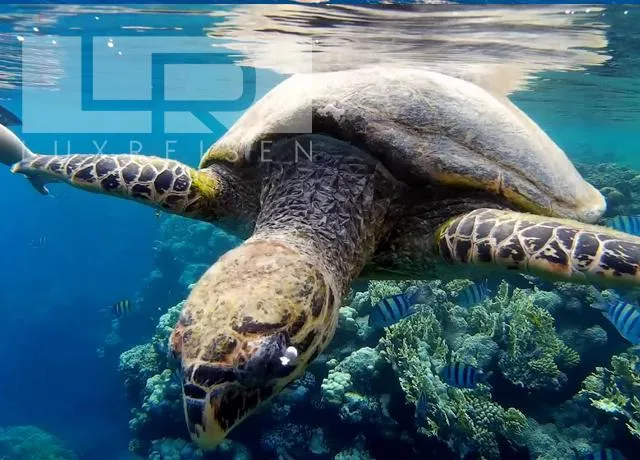
Yes, turtles are common but not guaranteed daily. Highest probability at Sharm El Naga, Giftun Island seagrass beds, and Mahmya. Green turtles and hawksbill turtles inhabit Hurghada reefs year-round. Maintain 3+ meters distance and never chase.
Can I see dolphins?
Possible but not guaranteed. Bottlenose dolphins frequent Shaab El Erg (Dolphin House) with 60-70% sighting probability. These are wild animals following natural patterns. Morning trips (7-9 AM) offer best probability. Never chase or touch dolphins – Egyptian law prohibits harassment.
What should I bring?
Essentials: Swimwear, towel, reef-safe sunscreen, hat, sunglasses, water, cash (200-500 EGP), passport copy, motion sickness tablets if prone. Useful: Rash guard, waterproof phone case, dry bag, change of clothes, snacks. See detailed packing list above.
How long do trips last?
Typical duration: 6-8 hours total including:
Hotel pickup/dropoff: 30-60 minutes
Boat travel to sites: 30-90 minutes each way
Snorkeling time: 60-90 minutes total (2-3 sites)
Lunch break: 30-60 minutes
Safety briefings and equipment: 15-30 minutes
Actual water time is less than total trip duration.
How rough are the waves?
Generally calm, particularly at sheltered sites. The Red Sea experiences minimal tides and most snorkeling locations are protected. However:
Winter (Dec-Feb): Occasional strong winds create waves, particularly affecting northern reefs
Open sea sites: Shaab El Erg, Careless Reef can be rougher than sheltered bays
Afternoon: Wind often picks up after 2 PM
Operators monitor conditions and cancel or reroute trips if unsafe.
What happens in bad weather?
Trips may be:
Cancelled: Full refund or rescheduling offered
Rerouted: Alternative sheltered sites substituted
Shortened: Reduced itinerary for safety
Delayed: Waiting for improved conditions
Your safety is prioritized over schedule. Always check weather forecasts and maintain flexible expectations.
How much cash should I carry?
Recommend 200-500 EGP for:
Tips for crew (50-100 EGP typical)
Additional drinks/snacks
Locker rental [if applicable]
Souvenirs
Emergency needs
Most boats are cash-only for extras. Credit cards rarely accepted
Should I tip?
Tipping is customary in Egyptian tourism. While not mandatory, it's appreciated:
Guide: 20-50 EGP
Boat crew: 20-50 EGP total (can be pooled)
Excellent service: More is always welcome
Tips are typically given at trip end in Egyptian pounds.
Booking your adventure is simple and secure through our easy online platform. Discover the perfect match for your holiday by browsing our carefully curated selection of snorkeling excursions in Hurghada.
Ready to dive in? Explore our available Hurghada snorkeling trips and book your unforgettable underwater adventure today on our Snorkeling Trips in Hurghada page.


_lg.webp)
_lg.webp)


_lg.webp)
_lg.webp)
_lg.webp)
_lg.webp)

_lg.webp)
_1_lg.webp)


_lg.webp)